
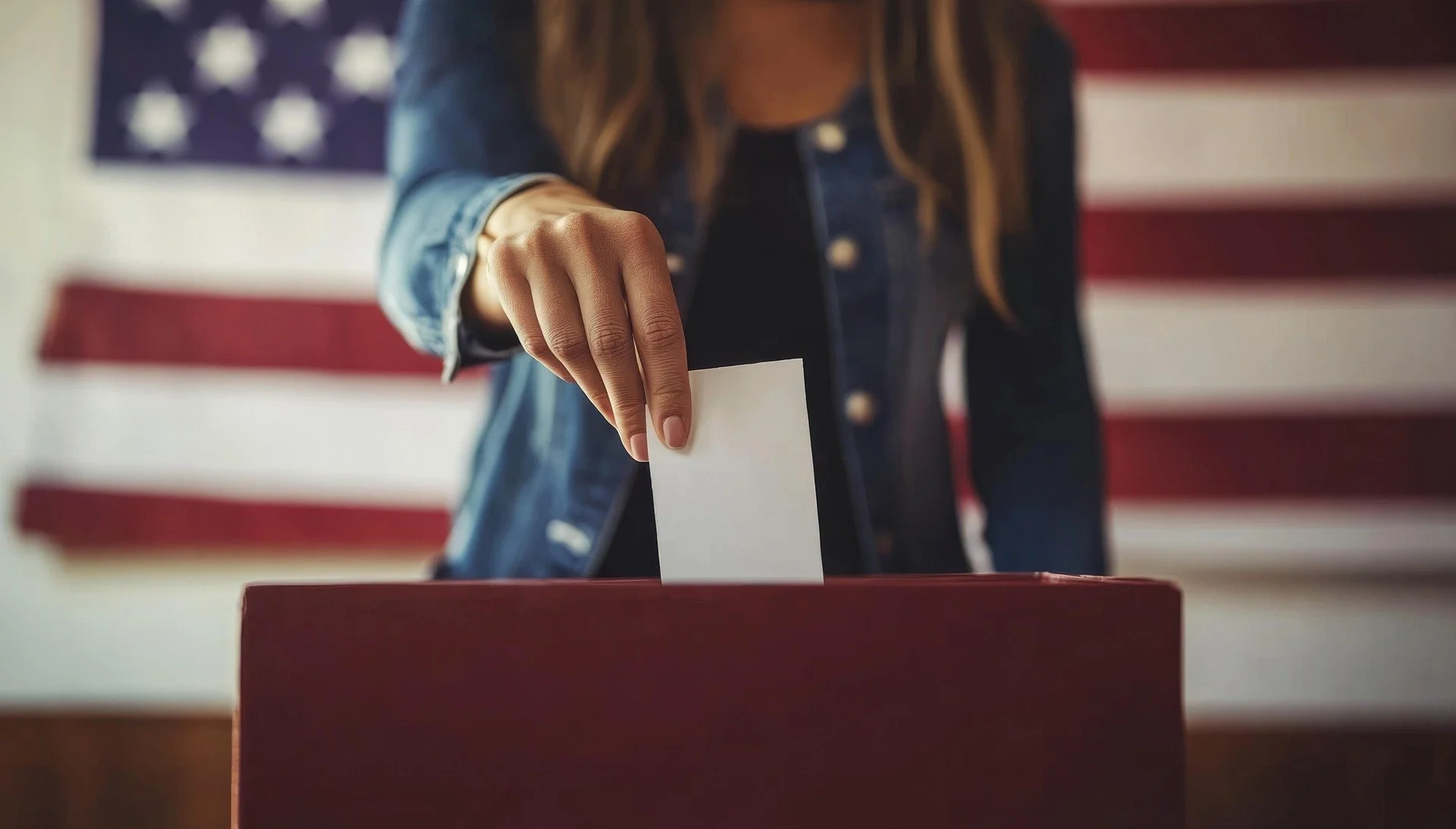
yamu_jay-Pixabay
As a native Washingtonian and an avid reader of The Washington Post, I have long been drawn to the newspaper’s motto, “Democracy Dies in Darkness.” The phrase expresses a fundamental democratic principle: citizens need access to accurate, ethical, and independent reporting if they are to evaluate public officials and make informed choices. The Post adopted the motto in 2017 after it had been used internally for years and popularized by investigative journalist Bob Woodward. Its warning remains urgent today. Democracy depends not only on journalism that brings facts to light, but also on citizens who examine those facts carefully, vote, and participate in civic life rather than surrendering to frustration.
Political climate reflects the public’s changing sense of economic security, institutional trust, social stability, and national direction. For many people, the present moment feels especially unsettled. Households are confronting financial strain, social division, and uncertainty about whether government is responding to their needs. Critics of the current administration argue that some promises remain unfulfilled and that several policies have favored wealthy interests over financially strained families. Whether or not every citizen shares that assessment, widespread dissatisfaction deserves serious attention as the country approaches the midterm elections.
Some U.S. citizens feel disenfranchised or believe that a single vote cannot make a difference. Yet collective participation can influence elections, public policy, and the priorities of elected leaders. Recognizing problems is only the first step. Instead of remaining caught in complaint or doomscrolling, citizens can learn about candidates and ballot measures, vote when eligible, contact representatives, attend public meetings, volunteer, support community journalism, or help others find reliable election information. Voting is one important form of participation, but it is not the only way to make a voice heard.
People who want to take a more active role can also support organizations whose missions align with their values. Three that resonate with me are:
Democracy Forward — a national legal organization that advances democracy and social progress through litigation, policy, public education, and regulatory engagement.
Color Of Change — an online racial justice organization that challenges injustice, promotes accountability, and advocates for solutions that strengthen Black communities.
Activate America — an electoral organization that mobilizes volunteers to reach voters and help elect Democratic candidates to the U.S. House and Senate.
These are only a few possibilities. With a small amount of research, people can find local and national causes that match their priorities and choose an achievable first step. No one can know the views of an entire country, and no election will resolve every disagreement. Still, informed participation can produce meaningful change over time. Both major political parties must earn the public’s trust, and citizens must decide which leaders, policies, and institutions deserve their support.
Democracy is not preserved by information alone. It survives when citizens seek reliable reporting, weigh competing claims, resist helplessness, and act. The warning that democracy dies in darkness therefore belongs not only to journalists, but to every citizen responsible for bringing public life into the light.